Retro Black and White Shapes
In the world of commercial embroidery, a single design can define the difference between a generic product and a memorable brand asset. As an experienced designer who has reviewed thousands of files for small business merchandise, I recently had the opportunity to evaluate the Retro Black and White Shapes machine embroidery design. This piece stands out not just for its visual appeal, but for its potential utility across a wide spectrum of branded goods, from staff uniforms to boutique packaging accents.
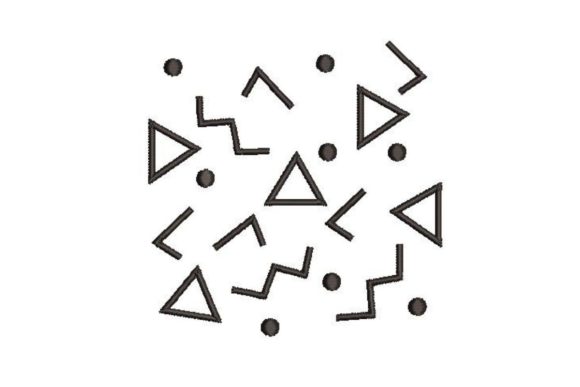
The first impression of Retro Black and White Shapes is one of clean, modern simplicity. The title suggests a classic aesthetic that feels both playful and professional. When viewing the digitization, the design immediately strikes me as "cheerful" yet structured. Unlike overly ornate designs that might clutter a small logo space, this pattern relies on bold geometry. For a small business owner looking to elevate their brand identity, this design offers a versatile foundation that works equally well in a high-end studio or a rustic craft market setting.
Real-World Application: From Patches to Aprons
When evaluating a digital file for production, the most critical question is: where will this live? In my review of Retro Black and White Shapes, I found it to be exceptionally adaptable. Its monochromatic nature makes it a powerhouse for creating cohesive small business merch without worrying about complex thread color matching.
Imagine a local café or bakery wanting to launch a line of custom aprons. This design would serve as a perfect chest logo accent or a subtle detail on the back neck. The high contrast of black and white ensures visibility against almost any fabric texture, whether it is heavy canvas or smooth cotton. Furthermore, for businesses selling tote bags, this design translates beautifully. A tote bag design often requires a graphic that holds up to frequent handling; the geometric nature of these shapes provides the durability needed for a customer's daily commute.
For apparel decorators working with custom apparel, the versatility extends to caps and work shirts. The design is ideal for a cap front panel where space is limited but impact is required. It also functions well as a sleeve detail, adding a touch of personality to otherwise plain uniforms. In the realm of handmade brands, such as Etsy sellers or pet product creators, this file serves as a premium digital embroidery file that elevates the perceived value of the final item. Whether used as a standalone patch or integrated into a larger pattern, it adds a layer of professionalism that customers notice immediately.
Strategic Use Cases for Branded Merchandise
- Embroidered Patches: The design is robust enough to be converted into a high-quality embroidered patch. Its distinct outlines make it easy to cut and finish, perfect for attaching to denim jackets, backpacks, or product packaging.
- Staff Uniforms: For florists or boutique owners, this design creates a uniform look that feels friendly yet authoritative. It avoids the corporate stiffness of standard logos while maintaining a polished appearance.
- Event Merch: Creative studios hosting workshops can use this design for participant t-shirts or sashes. The cheerful vibe aligns perfectly with community-focused events.
- Product Labels: Small business product labels often need to be tiny. If digitized correctly, the shapes can remain legible even at reduced sizes, serving as a subtle mark of authenticity on handmade goods.
Where to Exercise Caution
While Retro Black and White Shapes is highly effective, no design is without its limitations. An experienced eye must consider the physical constraints of the garment. For instance, if you plan to use this on a curved surface like a baseball cap, the spacing of the shapes needs to be carefully monitored to prevent bunching or distortion.
There are specific scenarios where caution is advised. Using this design on very small patch sizes requires a close inspection of the stitch density. If the original file includes intricate details within the shapes, reducing them too much can result in a muddy look where individual elements blend together. Similarly, when applying this to dark uniforms, the choice of thread colors becomes critical. While the description implies a black and white theme, ensuring the white thread has sufficient coverage on dark fabrics is essential to maintain the design's crispness.
Additionally, items that require frequent washing, such as heavy-duty work shirts or children's clothing, demand a review of the stitch density. High-density areas can become stiff and uncomfortable over time. Designers should verify that the fill stitches are optimized for breathability and flexibility. Textured fabrics, like thick fleece or bouclé, may also hide the fine lines of the design, so testing on the actual material is always the safest route before committing to a large production run.
Impact on Brand Identity and Customer Trust
In the competitive landscape of handmade products and digital assets, visual consistency is key. Retro Black and White Shapes contributes significantly to a cohesive brand identity. By using a design that is clearly defined and professionally executed, small business owners signal quality to their customers. A well-executed embroidery job fosters trust; it tells the buyer that attention was paid to every detail.
This design enhances customer engagement by offering a modern, retro-chic aesthetic that resonates with current trends. It moves away from the generic and towards the curated. When a customer sees a tote bag or a cap featuring this design, they perceive the brand as thoughtful and stylish. This perception directly influences product value, allowing businesses to command higher prices for their finished product.
Furthermore, the design supports a "handmade" presentation without appearing amateurish. It bridges the gap between mass-produced graphics and artisanal craftsmanship, making it an excellent choice for design assets intended for commercial embroidery projects.
Practical Designer Notes for Production
Before moving forward with bulk production, there are several technical steps every designer and business owner should take. First, test the Retro Black and White Shapes design in black and white on your specific fabric to ensure the contrast remains sharp. Do not assume the colors will pop until you have physically stitched them out.
Check the hoop size requirements relative to your intended application. If the design is meant for a small patch, ensure the digitization accounts for the stabilizer tension required to keep the edges flat. Always inspect the spacing between shapes; gaps that look good on a screen may collapse under the pressure of the embroidery needle.
Use proper stabilizer for the fabric type you are working with. A lightweight tear-away might suffice for a hat, but a heavy-duty cut-away is likely necessary for a durable apron. Creating a printable mockup for client approval is also a vital step. This allows stakeholders to visualize the design in context before the machine ever starts stitching.
Finally, compare this design beside other design assets in your collection to ensure visual harmony. Most importantly, confirm the commercial licensing terms. Even if the file comes with multiple formats, you must verify that you have the right to use it for resale on merchandise. If the provided description does not explicitly state the exact stitch count or specific file formats, you must contact the provider to clarify these details before starting production.
By following these guidelines, Retro Black and White Shapes proves itself to be more than just a decorative element; it is a strategic tool for building a recognizable and trustworthy brand in the crowded marketplace of handmade and custom goods.