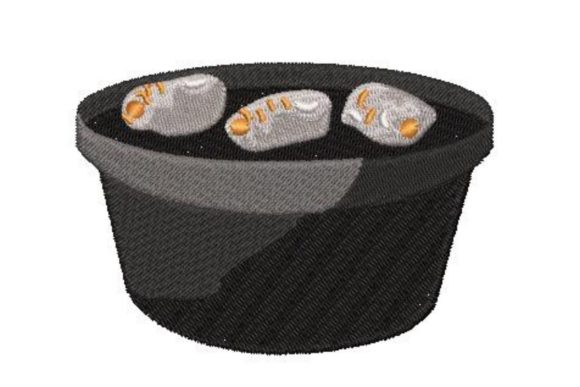
Dutch Oven Filled with Glowing Charcoal
As an experienced embroidery designer who has spent years refining digital assets for commercial use, I approach every new file with a critical eye. When evaluating Dutch Oven Filled with Glowing Charcoal, I am not just looking at a cute kitchen motif; I am assessing its viability as a core asset for small business merchandise and branded patches. The description paints a picture of a classic design filled with glowing charcoal, promising a friendly way to decorate homes and kitchens. But does it hold up when moved from a home apron to a high-volume production run for a boutique brand?
This review focuses on the practical application of this machine embroidery design in a professional setting. We will explore how this design functions as an embroidered patch, a chest logo accent, or a subtle detail on caps and tote bags. For Etsy sellers, merch creators, and product designers, the difference between a decorative image and a viable commercial asset often lies in stitch density, scalability, and brand alignment.
First Impressions: Visual Personality and Brand Fit
The moment you load Dutch Oven Filled with Glowing Charcoal into your digitizing software, the aesthetic is immediately clear. It leans heavily into a rustic, handmade presentation that feels warm and inviting. The concept of a glowing charcoal inside a classic pot suggests heat, comfort, and artisanal quality. This visual personality makes it an excellent candidate for brands that want to project authenticity rather than corporate sleekness.
For a bakery, a local café, or a florist, this design offers a perfect bridge between traditional craftsmanship and modern branding. It feels premium yet accessible. However, the "cute" descriptor in the product description warrants caution. If your brand identity relies on minimalism or high-end luxury, this design might feel too playful. Conversely, for a pet brand, a creative studio, or a handmade shop, the warmth of the glowing charcoal imagery can significantly boost customer engagement by evoking feelings of home and care.
Real-World Performance in Commercial Applications
When transitioning from a digital preview to a physical finished product, the performance of Dutch Oven Filled with Glowing Charcoal becomes the deciding factor for small business owners. In my experience, this design shines when used as an embroidered patch. The bold outlines typical of such motifs work well on felt or twill backing, creating a durable mark for staff uniforms or work shirts.
Imagine applying this to a line of custom apparel for a coffee roaster. Placing the design on the sleeve of a work shirt or the front of a cap creates a memorable touchpoint. It transforms a standard uniform into a branded experience. Similarly, for tote bag designs, the central placement of the dutch oven allows for a balanced composition that draws the eye without overwhelming the fabric texture.
However, the versatility extends beyond apparel. As a branded product add-on, this design can be stitched onto product packaging accents or included in customer gift sets. For craft business assets, having a cohesive set of design files like this helps maintain visual consistency across all touchpoints. Whether it is a printable mockup for a client approval process or a direct-to-garment application, the design must deliver on the promise of the digital file.
Critical Considerations and Potential Pitfalls
While the potential is high, there are specific scenarios where Dutch Oven Filled with Glowing Charcoal requires careful handling. Small patch sizes present a significant challenge. If the design is reduced too much, the details of the glowing charcoal may blur together, losing the definition that makes the design effective. Embroidery shops must test the design at the intended final size before committing to bulk production.
Curved surfaces, such as the front of a cap, demand precise hoop size management. A design that looks flat on a screen may pucker if the underlying stabilizer is insufficient. Furthermore, items that need frequent washing, like heavy-duty aprons or work shirts, require a thread color contrast that can withstand abrasion. Dark uniforms can sometimes swallow lighter threads, so verifying the visibility of the glowing effect against dark backgrounds is essential.
High stitch density is another area to scrutinize. If the digitizing includes too many stitches in the charcoal area, the fabric may become stiff and prone to distortion. Detailed outlines are necessary for clarity, but they must be spaced correctly to prevent thread breaks. Textured fabrics, common in handmade products, can hide the intricate details of the design, making it look muddy rather than crisp.
Impact on Brand Identity and Customer Trust
In the world of small business merch, every stitch contributes to brand identity. Using a well-executed design like Dutch Oven Filled with Glowing Charcoal signals professionalism and attention to detail. Customers subconsciously associate the quality of the embroidery with the quality of the product being sold. A sloppy execution can erode buyer trust, while a clean, consistent finish reinforces product value.
This design specifically enhances a narrative of handmade quality. When a customer sees a perfectly stitched dutch oven on a tote bag or apron, it validates the artisanal nature of the brand. It moves the perception from a mass-produced item to a curated, thoughtful piece. For digital embroidery file buyers, this level of detail is crucial for maintaining a cohesive look across different product categories, from kitchen accessories to event merch.
Essential Designer Notes for Production
Before integrating Dutch Oven Filled with Glowing Charcoal into any commercial project, follow these practical steps to ensure success:
- Test in Black and White: Convert the design to grayscale first. This reveals whether the stitch density and shading will translate effectively without relying on thread colors to carry the design.
- Verify Scale: Check if the design works at small patch sizes. Ensure the glowing charcoal elements remain distinct and do not merge into a single blob.
- Review Thread Colors: Assess the contrast between the pot, the charcoal, and the background. High contrast is vital for visibility on various fabric textures.
- Inspect Spacing and Hoop Size: Confirm that the design fits within the standard hoop sizes you utilize. Excessive spacing can lead to unnecessary trimming and wasted time.
- Test on Real Fabric: Do not rely solely on digital previews. Stitch the design on the actual fabric type you plan to use to check for puckering or thread breakage.
- Use Proper Stabilizer: Select a stabilizer that matches the weight and stretch of the target garment. Heavy-duty projects require heavy-duty support.
- Create a Mockup: Develop a printable mockup for client approval. This allows stakeholders to visualize the design on the final product before production begins.
- Compare Design Assets: Place this design beside other graphics in your library to ensure it maintains visual consistency with your existing brand identity.
- Confirm Licensing: Always verify commercial licensing terms before using the design for branded merchandise. Ensure you have the right to sell products featuring this digital embroidery file.
By following these guidelines, you can maximize the potential of Dutch Oven Filled with Glowing Charcoal as a versatile tool for your embroidery business. Whether you are designing for a local bakery, a fashion label, or a creative studio, understanding the technical nuances of the design ensures a professional result.
Remember that the success of any commercial embroidery project depends on the synergy between the design file and the execution. Take the time to test, adjust, and refine. With the right approach, this classic design can become a signature element of your brand, elevating your custom apparel and enhancing the perceived value of your handmade products.