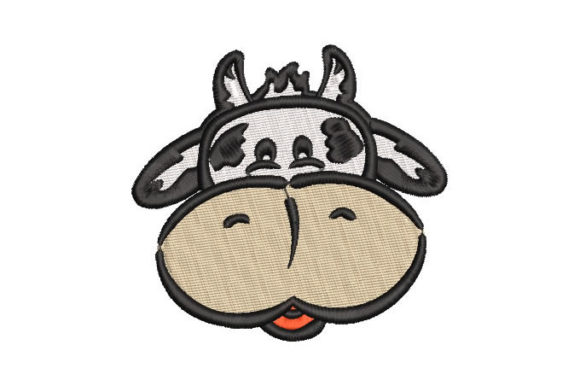
Cow Face Embroidery Design Review for Craft Fairs
As an experienced embroidery designer who has spent countless weekends setting up booths at local craft fairs and online handmade markets, I know that the difference between a design that sits on the shelf and one that sells out by noon comes down to visual impact and practical application. Today, I am reviewing a specific machine embroidery design titled "Cow Face." The description paints it as fun, quirky, and cute, designed to brighten up various items like caps, t-shirts, jeans, and tote bags. This review is written specifically for Etsy sellers, boutique makers, and creative entrepreneurs who need to judge whether this Farm Animals themed piece fits their inventory strategy.
The First Impression: Quirky Charm Meets Farmhouse Style
When you first look at the prompt for "Cow Face," the immediate feeling is one of approachable whimsy. In the world of handmade product sales, especially at craft fairs, customers are drawn to items that evoke emotion or a smile. A cow face is inherently playful, making it a perfect candidate for the "farmhouse chic" or "modern rustic" aesthetic that remains popular. Unlike elegant floral motifs that might feel too formal for a casual market day, this design promises to be bold and funny. It feels less like a decorative accent and more like a statement piece that could serve as a focal point on a garment or accessory.
For a booth display, this design offers a distinct advantage. It stands out against neutral backgrounds like canvas or denim. If you are selling digital embroidery file assets, this is a design that buyers will visualize immediately on their own projects. It suggests a personality-driven brand, which is crucial for Etsy seller success. The "fun and quirky" descriptor indicates that this isn't just a generic animal print; it likely has character, perhaps with expressive eyes or a unique pose that catches the eye from across a crowded aisle.
Product Versatility: Where Cow Face Shines
The true value of any embroidery design lies in its versatility. Can it be applied to multiple products without losing its charm? Based on the description, "Cow Face" is highly adaptable. Let's break down how it performs on key craft fair product categories.
- Tote Bags: This is arguably the best use case. A tote bag design featuring a cow face creates an instant conversation starter. The large surface area of a canvas tote allows the design to breathe, making it ideal for showcasing stitch density and thread colors. It appeals to shoppers looking for functional yet stylish accessories.
- Aprons and Kitchen Towels: For the home cook, an apron embroidery or tea towel embroidery adds a touch of humor to the kitchen. These items are often impulse buys at markets because they are affordable and giftable. The cow motif fits perfectly into a farmhouse kitchen theme.
- Caps and Patches: Stitching this onto a cap requires precision, but if done well, it creates a trendy streetwear vibe. Alternatively, turning this into an embroidered patch allows for even broader application, such as adding it to backpacks or jackets later by the customer.
- Small Pouches and Pillow Covers: These smaller items allow for higher profit margins per square inch. A cow face on a small fabric pouch makes for a delightful gift item, while a pillow cover can anchor a cozy living room display.
However, not every product works equally well. While the description mentions t-shirts and jeans, remember that curved surfaces like caps can distort certain details. The key is ensuring the design scales appropriately for each medium.
Production Reality: From Scrap Fabric to Finished Product
Before listing this as a commercial item, a professional designer must consider the production workflow. How easy is the design to understand at a glance? A successful small shop product needs to be reproducible quickly. If the stitch density is too high, the fabric may pucker, ruining the crisp look needed for a premium finished product. Conversely, if it is too sparse, it might look unfinished on textured fabrics.
Photography is another critical factor. When creating a printable mockup for your online listings, does the cow face pop? High contrast between the thread colors and the fabric texture is essential. If the design relies on tiny details, those might get lost when viewed on a smartphone screen. You want the customer to see the "cute" aspect immediately without zooming in.
Batch production is also a consideration. If you plan to sell these in multiples, the design should be repeatable without looking monotonous. The "multiple embroidery" mention in the description suggests there might be variations or sizes available, which is excellent for creating a cohesive collection of commercial embroidery goods.
Practical Use Cases and Potential Pitfalls
While the potential is high, there are specific areas where caution is required. Dense stitch areas can sometimes cause issues on thick fabrics or textured towels. If you are using a heavy cotton duck for tote bags, ensure your stabilizer choice supports the weight of the stitches. On dark fabrics, the thread colors must be vibrant enough to stand out; otherwise, the design may appear muddy.
Another common issue is tiny details. If the cow face includes fine lines for whiskers or eyelashes, these may not hold up well on curved cap surfaces or small pouches. Always test the design on scrap fabric before committing to a full run. Check the spacing to ensure the design doesn't get cut off by seams or hems. Furthermore, confirm the hoop size requirements. A design that looks great in a 4x4 hoop might be impossible to embroider cleanly on a large apron front without re-hooping, which can lead to misalignment.
Designer's Checklist for Success
To ensure "Cow Face" becomes a bestseller rather than a dead stock item, follow these essential steps before hitting the publish button on your Etsy listing:
- Test on Scrap Fabric: Never skip this step. Run the design on the actual fabric you intend to sell to check for puckering or distortion.
- Check Thread Contrast: Ensure the thread colors selected provide enough contrast against your chosen fabric to make the design legible.
- Review Spacing and Hoop Size: Confirm that the design fits within your standard hoops and leaves adequate margin for finishing.
- Inspect Stitch Density: Look closely at dense areas. If the fabric is bunching, adjust the underlay or reduce the density in the software.
- Use the Right Stabilizer: Match the stabilizer type (cut-away, tear-away, or sticky) to the fabric texture to prevent shifting during stitching.
- Create Real Mockups: Don't rely solely on digital renders. Photograph a real sample to show customers the true quality of the handmade quality.
- Compare Fabric Colors: Test the design on white, black, and denim to see how the color palette translates across different options.
- Confirm Commercial Licensing: Before selling finished products, double-check the license terms of the digital embroidery file to ensure you have the right to manufacture and sell the physical items.
Final Verdict on Visual Appeal and Brand Consistency
The "Cow Face" design has strong potential to drive buyer engagement at a craft fair. Its quirky nature makes it memorable, helping your booth stand out among hundreds of others. When displayed on a variety of items—from market bags to handmade gifts—it creates a cohesive visual theme that reinforces your brand identity as a source of fun, rustic, and high-quality goods.
If executed with care regarding stabilizers, thread choices, and fabric textures, this design can elevate your brand consistency and increase the perceived value of your products. It transforms simple materials into unique pieces of art that customers are eager to take home. For any entrepreneur looking to expand their design assets with a crowd-pleasing motif, "Cow Face" is a smart addition to your repertoire, provided you respect the technical nuances of machine embroidery.